


How to Respond to a Job Rejection - and Turn It Into Growth

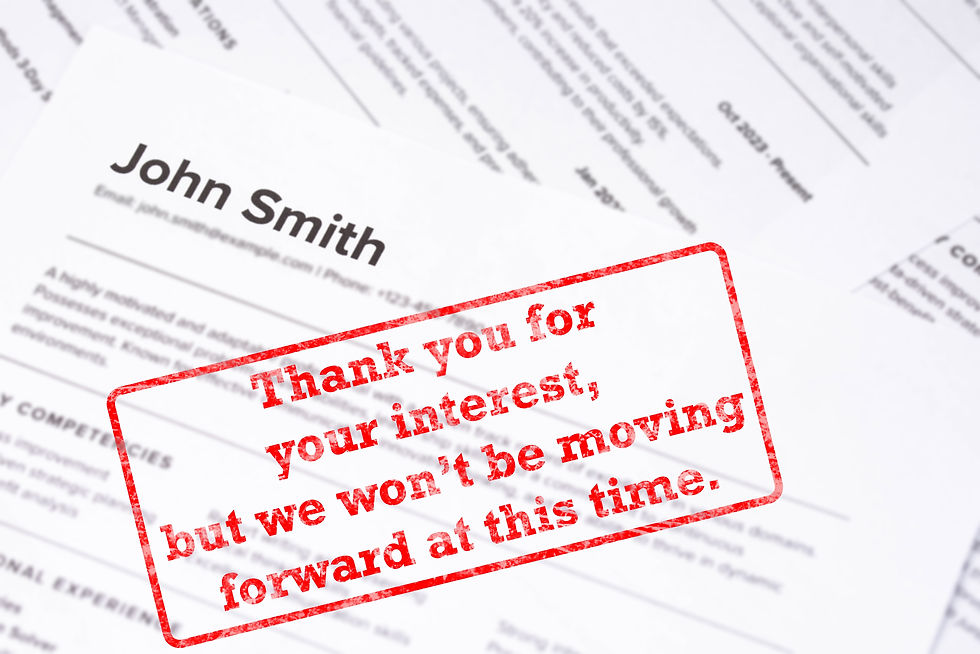
Getting a rejection after an interview can hit hard. You’ve invested your time and energy in tailoring your application, preparing for the conversation, and imagining yourself in the role. When the answer is “no,” it’s natural to feel disappointed. But a rejection doesn’t have to mean the end of the road. In fact, how you respond can set you apart, help you improve, and even leave the door open for future opportunities.
Instead of closing the chapter with a silent retreat, consider using this moment as a way to show professionalism, gather valuable insights, and strengthen your job search. Here’s how:
1. Acknowledge your Disappointment… Respectfully
It’s okay to be disappointed. What matters is how you communicate that. A brief, professional acknowledgment shows honesty and maturity, without veering into negativity.
For example, you might write:
“While I’m naturally a bit disappointed by the outcome, I want to thank you for the opportunity to interview and learn more about the role and your team.”
This strikes the right balance and conveys your genuine interest while keeping the tone constructive.
2. Thank Them for the Opportunity
Even if you didn’t get the job, the hiring team invested time reviewing your application and meeting with you. Expressing gratitude leaves a positive impression and demonstrates character.
You could say:
“I genuinely appreciate the time you and your team took to speak with me and share insights into the position. It was a valuable experience.”
This small gesture shows grace and keeps your reputation strong, which matters more than you might think. Hiring managers often keep records of candidates, and a positive follow-up thank you note could make them think of you for future openings.
3. Ask for Constructive Feedback
One of the most valuable steps after a rejection is asking for feedback. Not every employer will provide it but when they do, it can be a roadmap for growth.
Try phrasing it like this:
“If you’re able, I would appreciate any feedback on my interview or application. I’m always looking to improve and would be grateful for your perspective.”
By framing it this way, you show humility and openness to learning, traits that employers look for in a candidate.
4. Express Continued Interest
If you liked the company, let them know you’d be open to future opportunities. A rejection today doesn’t mean rejection forever. Teams often revisit strong candidates when new roles arise.
A professional closing might be:
“I enjoyed learning about your organization and remain very interested in the work you’re doing. If another opportunity arises that fits my skills, I would be excited to be considered.”
This keeps the relationship alive and plants the seed that you’d be a good fit down the road.
5. Reflect on the Feedback
If the employer provides feedback, don’t just file it away. Take time to reflect. Did they mention gaps in your technical skills? Perhaps it’s time to explore an online course or certification. Did they point to a specific interview question where you struggled? Use that as a prompt to practice more targeted responses and be sure to thank them for their comments.
For instance, if they noted that your answers lacked specific examples, you can practice using the STAR method (Situation, Task, Action, Result) in your next interview.
Every piece of feedback is an opportunity to sharpen your approach.
6. Refresh your Application Materials
Rejection can also be the perfect cue to step back and review your resume, LinkedIn profile, and even your social media presence.
Ask yourself:
Does my resume clearly highlight my most relevant achievements? Does my LinkedIn profile tell a compelling story of my career? Do my public social media accounts reflect professionalism?
Sometimes, fresh eyes help. Consider asking a mentor, trusted colleague, or career professional to review your materials and point out areas for improvement.
7. Practice Interview Skills
Even the most qualified candidates sometimes fall short in interviews because nerves get in the way. Practicing can make all the difference.
You might schedule a mock interview with a friend, mentor, or career services professional. Record yourself answering common questions, review it, and make changes as needed.
Are your responses clear, concise, and confident? Are you fidgeting or using filler words? These small adjustments can have a big impact on your next performance.
8. Lean on your Support System
Rejections can feel isolating but you don’t have to carry the weight alone. Share your experience with people you trust, friends, family, or fellow professionals. Sometimes, just talking it through helps you process the disappointment and move forward with a clearer perspective.
Asking someone for support could look like:
“This one didn’t work out but I value your input. Do you have time to review my resume or LinkedIn profile and share feedback?”
Support from others can also provide practical help. A friend might offer to run through interview questions with you or a mentor could connect you to another opportunity.
9. Take Care of Yourself
Finally, don’t overlook the personal side of job searching. Repeated applications and rejections can be draining. Make time for activities that recharge you, whether that’s exercise, reading, time outdoors, or simply rest.
Self-care and taking time off are easier said than done but in fact, taking care of yourself is part of the process.
A clear mind and balanced routine make it easier to approach your job search with energy and resilience.
Moving Forward with Confidence
A job rejection isn’t a final judgment on your abilities; it’s just one employer’s decision at a single moment in time. What matters most is what you do next.
Each step you take to learn, adapt, and grow strengthens your future chances. The path to the right opportunity is rarely a straight line and every detour builds resilience, confidence, and clarity about where you’re headed.
Keep moving forward because the door you open next might be the one that changes everything.